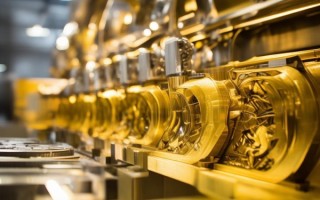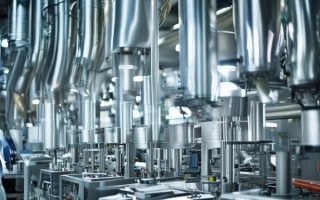
In the fast-paced world of modern industry, the challenge of optimizing food production processes has never been more apparent. From the efficient packing of raw materials to the precise melting of ingredients, the precision and efficiency required in food processing are at the core of every successful food establishment. However, traditional food production methods often fall short of meeting the highest standards of quality, safety, and sustainability. Enter the ideal of "good selection" in food processing, which not only prioritizes the selection of the best products but also integrates advanced technologies and innovative solutions to revolutionize the entire food production chain.
One of the most significant advancements in the field of food processing is the integration of automation and intelligent systems. These technologies allow for real-time monitoring, data ysis, and decision-making, significantly enhancing the efficiency and precision of food production. Automation equipment, such as robotic systems and automated manufacturing lines, are being widely adopted in food processing plants. These systems not only reduce human error but also ensure consistent quality and safety in the production process. For example, robotic equipment is being used in the packing process to ensure that products are accurately and efficiently packed, reducing waste and minimizing costs. Additionally, automation is being applied in the melting and freezing processes to ensure precise control over the quality of the final product.
Another key development is the integration of artificial intelligence and machine learning in food processing. These technologies enable the optimization of production processes, the prediction of equipment failures, and the identification of inefficiencies. For instance, AI algorithms are being used to yze production data in real-time, identifying patterns that might have been missed by human operators. This not only improves the efficiency of the production process but also reduces the likelihood of production failures, which are costly and time-consuming to rectify. Furthermore, machine learning is being applied to predict equipment performance and optimize maintenance schedules, ensuring that equipment runs at peak performance while minimizing downtime.
The adoption of advanced technologies in food processing is also driving the development of new industries, such as art food supply chains and food technology. These industries are at the forefront of innovation, leveraging the latest advancements in robotics, AI, and IoT to create more efficient and sustainable food production systems. For example, IoT devices are being integrated into food processing plants to monitor temperature, humidity, and other environmental factors in real-time. This not only ensures the safety of the food produced but also improves the overall efficiency and sustainability of the production process.
In conclusion, the integration of advanced technologies and intelligent systems into food processing is revolutionizing the entire food production chain. From the use of automated equipment to the application of artificial intelligence and machine learning, these technologies are transforming food production from a labor-intensive process into a highly efficient and sustainable industry. As the field continues to evolve, the role of "good selection" in food processing will only grow more significant, driving the creation of new industries and reshaping the future of food production.